An unparalleled collective of clinical leadership, surgical precision, and mathematical rigor, united by a singular mission: to bring the highest standard of neuroscience to bear on human performance and healing.
The best programs in the world are never the product of a single mind, a single clinic, or a single school of thought. They're the result of combined wisdom, gathered patiently, tested honestly, and distilled until only what works remains.
That is exactly how iCalibrate was made. We brought together two worlds that rarely share a room: leaders from the highest levels of academic medicine and the grassroots practitioners who quietly move communities every day. Then we asked them to build together.
What emerged isn't one philosophy. It's the pearl from each, kept… and everything else, left behind.
"Elite performance and deep healing are not opposites. They share identical circuitry. iCalibrate exists to make that circuitry accessible, with the precision and rigor that the stakes deserve."
iCalibrate Mission
Kristin is a hospital executive who suddenly found herself on the other side of the system. After developing long COVID, she became the patient she'd spent her life serving. She saw twenty specialists, undertook countless scans — each one offering expertise, but not integration.
Then a former colleague, a Stanford neurologist, said something that changed everything: "There's too much happening for this to be random. The root cause might be your autonomic response system."
That insight reframed her recovery and eventually, our company. Kristin began tracking her healing the same way elite hospitals improve outcomes — through systems thinking and daily calibration. With help from her community and seven determined siblings, she built a research map for healing. Progress wasn't linear, but within two weeks, she was walking and talking again.
Meanwhile, Vicente — then leading New Jersey's statewide COVID-19 response — was running on adrenaline and duty. Years of high-stakes leadership had rewired his physiology.
When he reconnected with Kristin, they discovered they were studying the same problem from opposite ends: Kristin was applying systems to biology. Vicente was applying biology to systems. Together, they began decoding what had gone wrong — and what had gone right.
They call themselves a band — because healing, like music, happens through harmony. What began as personal experimentation has become a living framework: a fusion of science, somatic medicine, and behavioral design that teaches the body to remember safety, capacity, and coherence. Science at the core. Humanity at the center. Progress in every step.
True healing happens when science, compassion, and collaboration meet. Together, they are redefining what's possible — for health and for life.
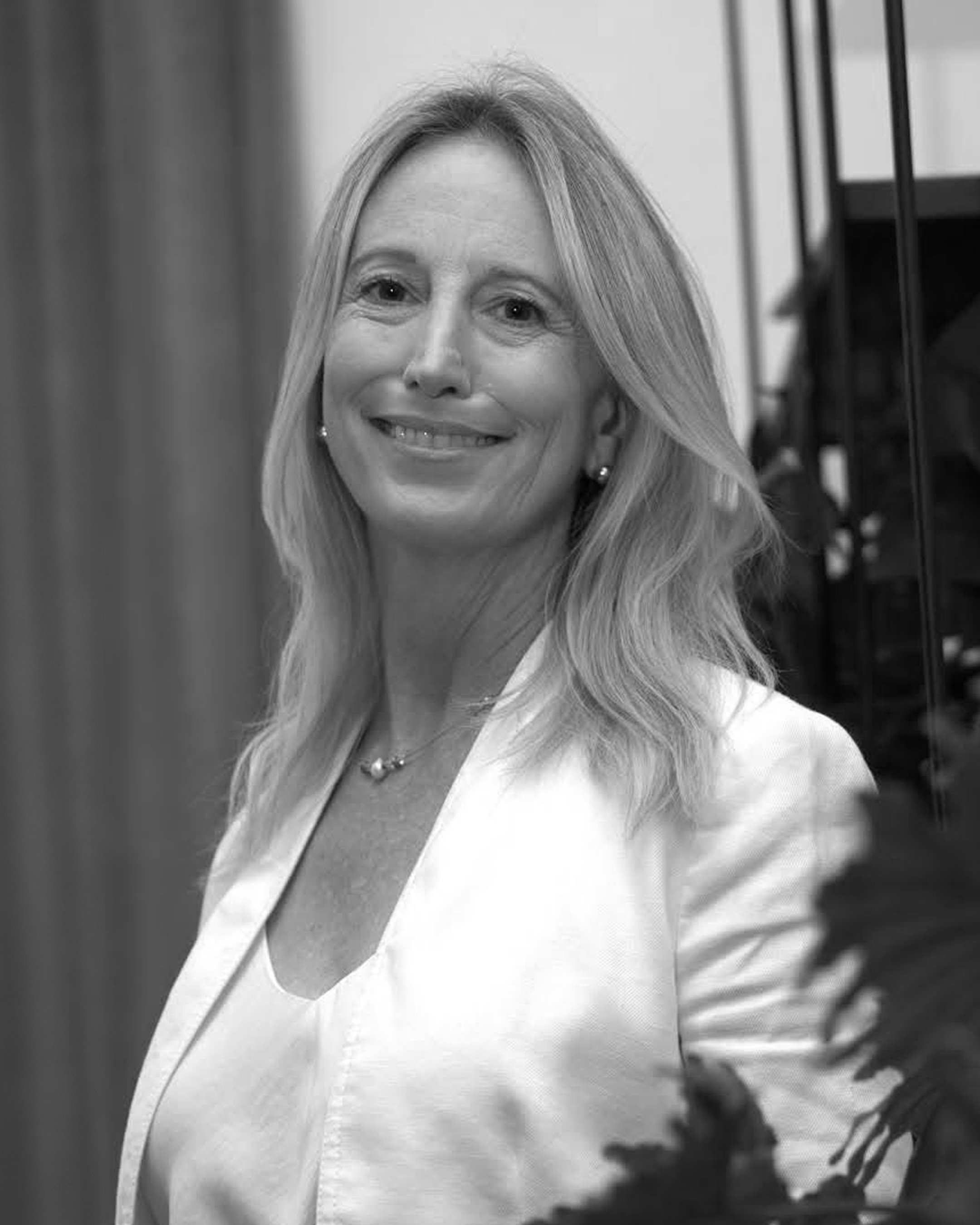
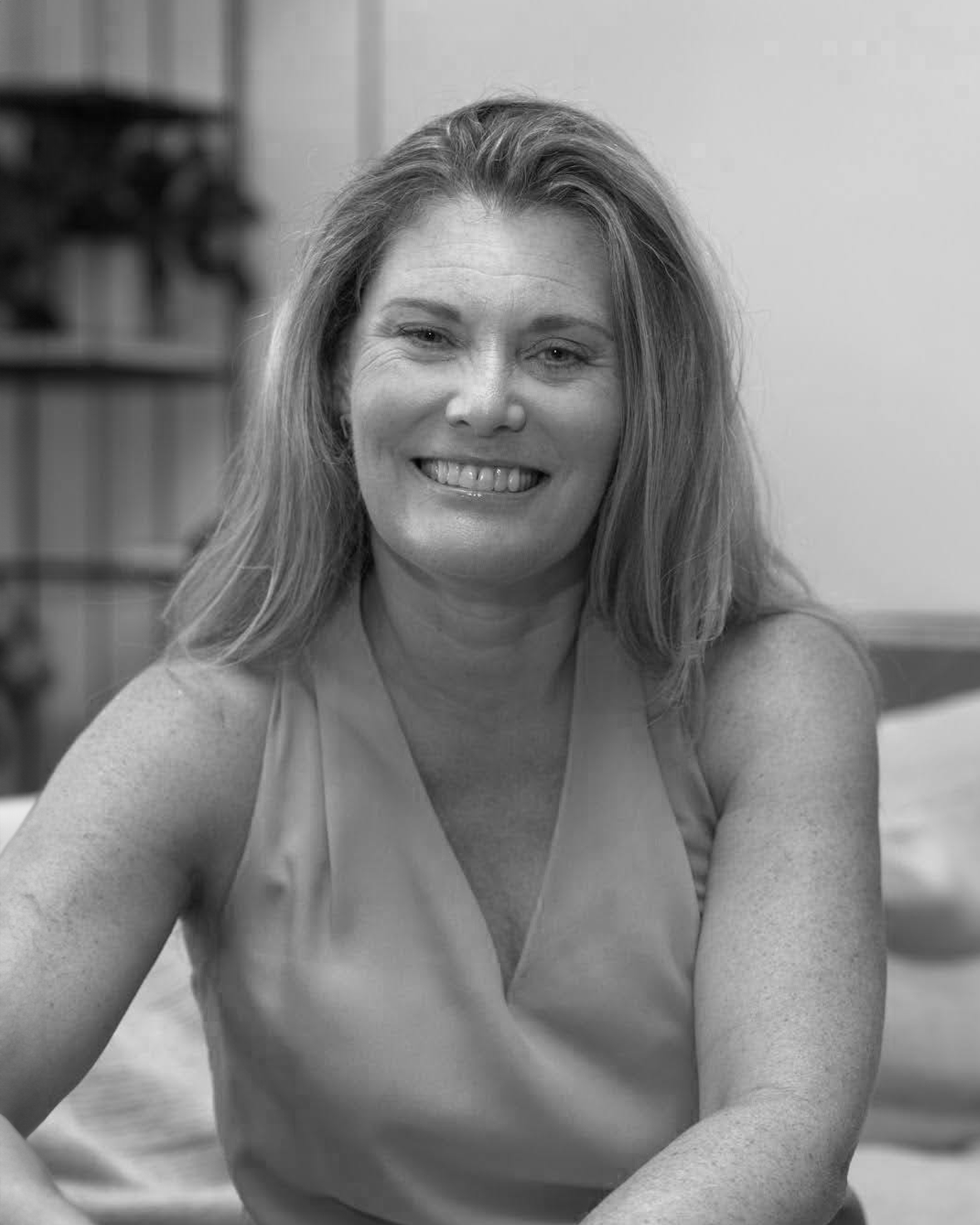
A hospital executive turned patient, Kristin's personal journey through long COVID became the catalyst for iCalibrate. She applies the same systems thinking used in elite hospital improvement to the biology of recovery — making progress measurable, repeatable, and real.

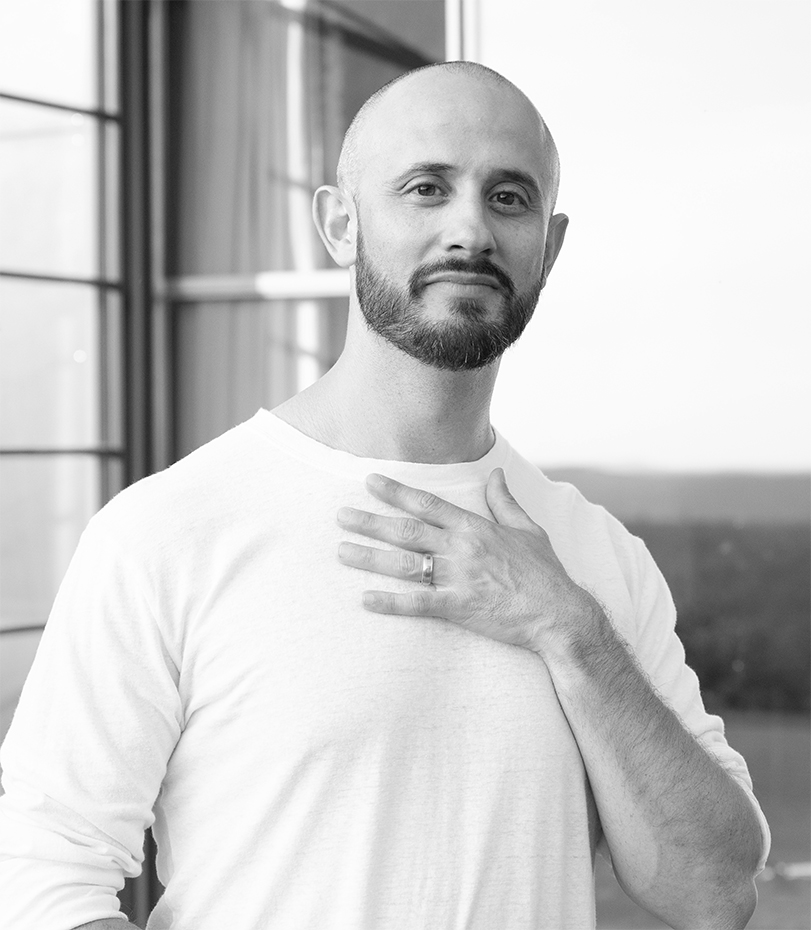
A movement specialist trained in biomechanics, form, and function, Mike teaches the body to speak safety through motion and helps clients understand and expand their capacity through precise, evidence-informed practice.

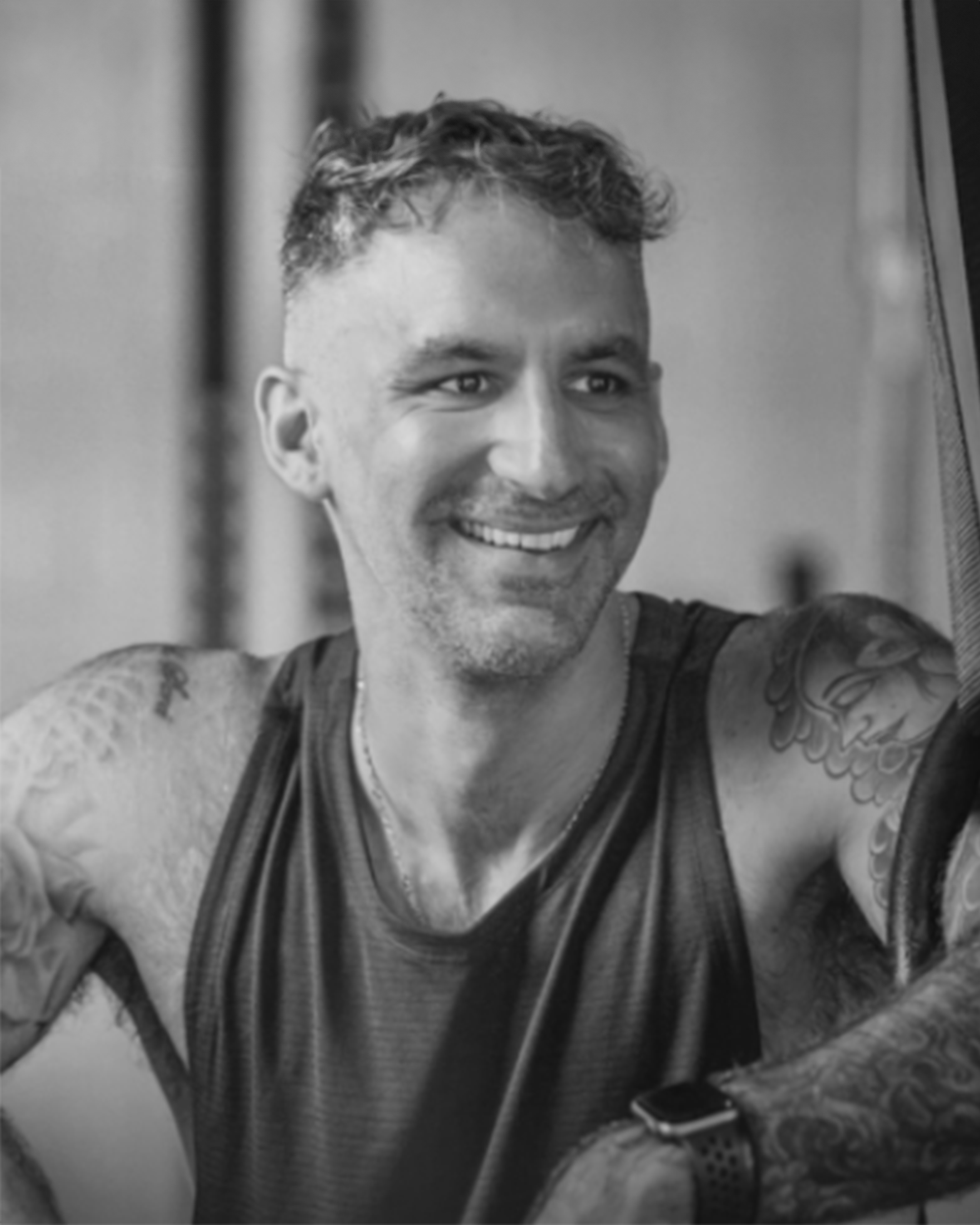
With fourteen years of competitive Judo as his foundation, Jon has built a clinical practice spanning biomechanics, neuromechanics, lymphatic movement, and breathwork — working with athletes, veterans, and individuals in chronic pain from his base in Nosara, Costa Rica.
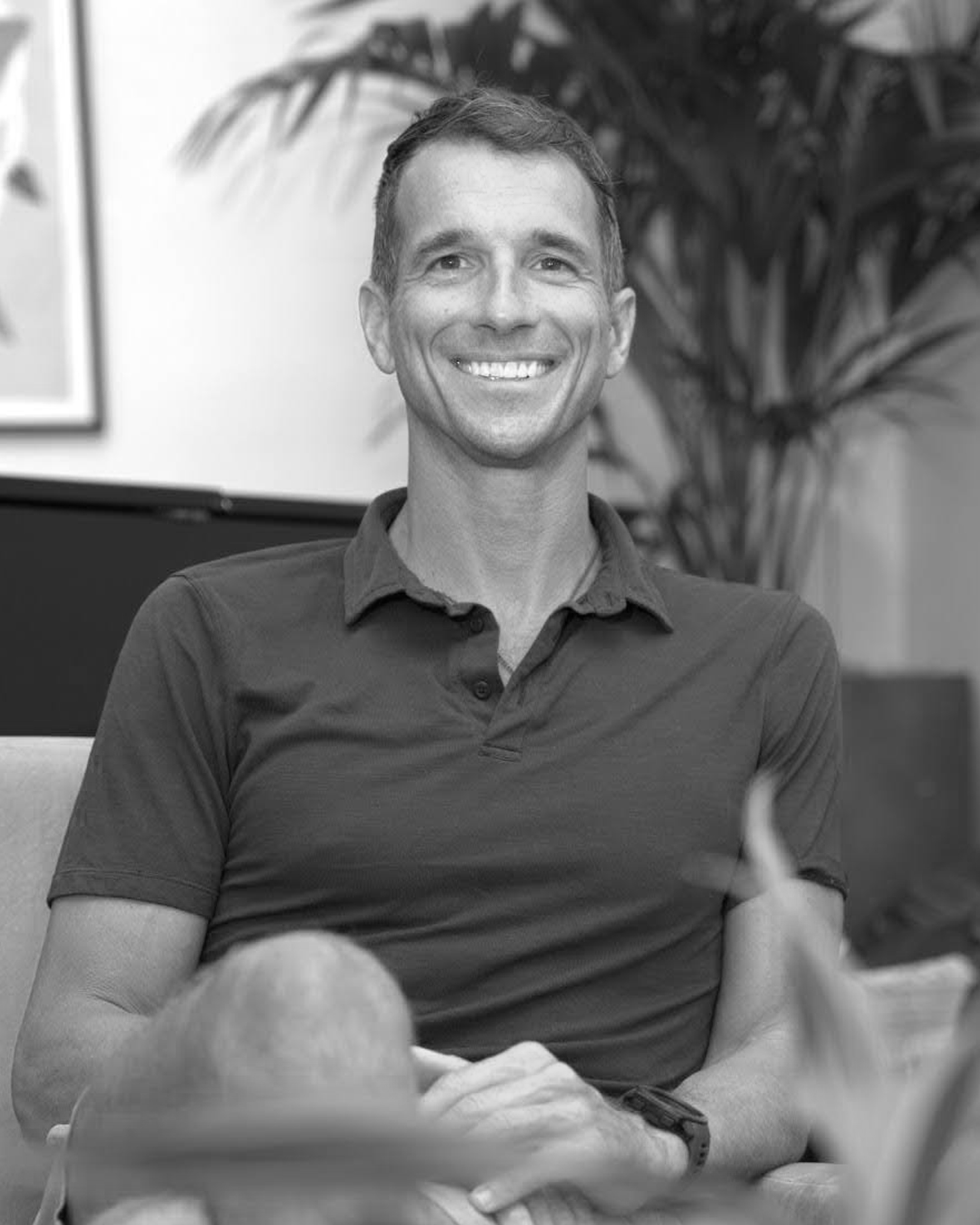
A Somatic Experiencing Practitioner trained alongside Howard Schubiner, MD, and Bessel van der Kolk, Karden specializes in reversing chronic pain and stress-driven illness through nervous system retraining — bringing that clinical rigor to iCalibrate participants alongside a body of work that includes The Wounded Warrior Project and the Trauma Research Foundation.

Aaron brings advanced breathwork practices drawn from traditions around the world, adapting them to the individual and integrating them into the iCalibrate protocol as a tool for measurable physiological change.

Allison supports the design and delivery of the iCalibrate experience, ensuring every participant moves through the program with clarity, structure, and the guidance they need at each stage.

Dina brings warmth, precision, and deep care to the participant journey, working across program delivery and client experience to ensure every engagement reflects the quality and intentionality that iCalibrate stands for.
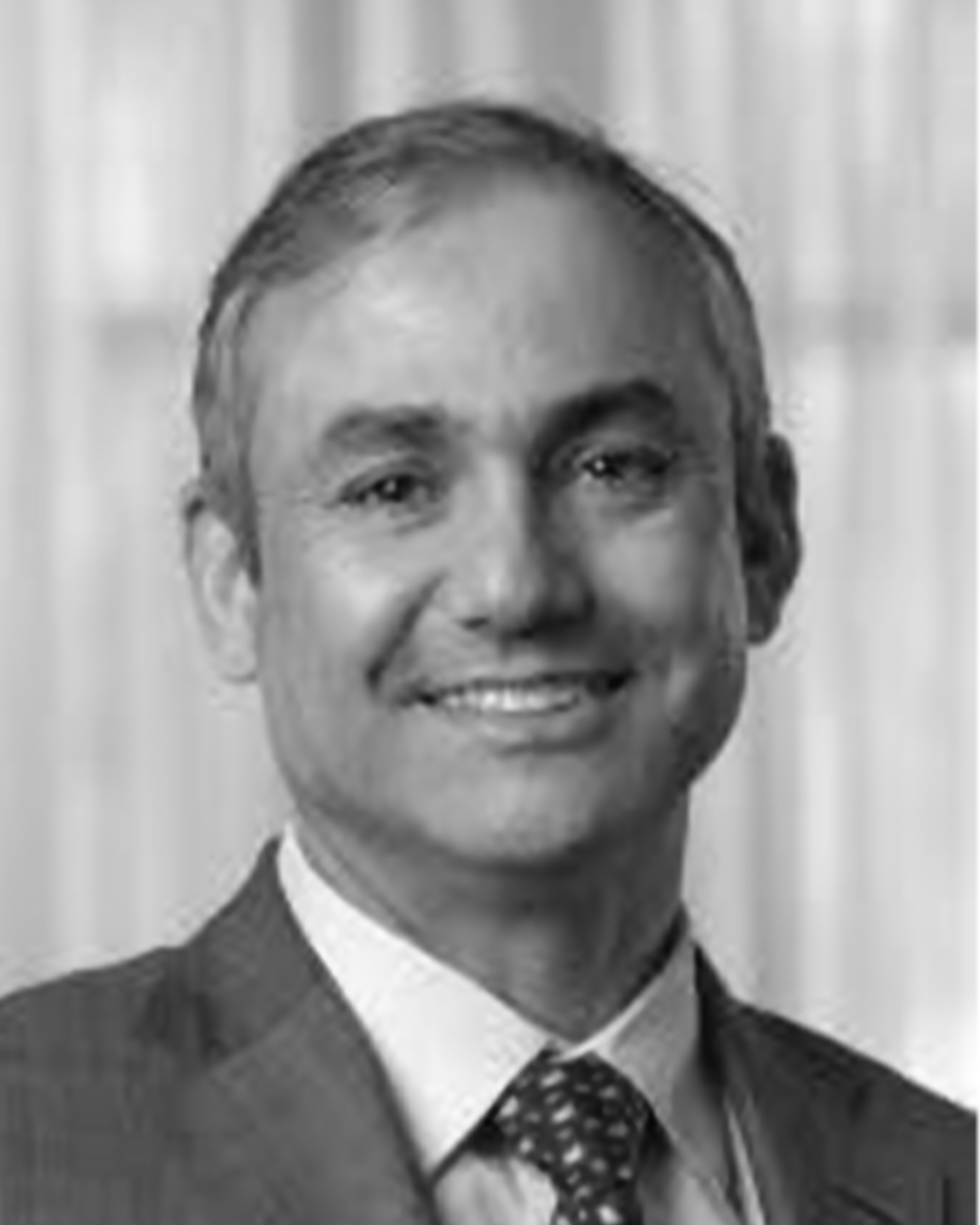
Dr. Gracias serves as the Chief Clinical Officer for Rutgers Health, overseeing an integrated faculty practice that serves millions of patients across one of the largest academic health systems in the country. His role as Vice President for Health Affairs at Rutgers University places him at the intersection of clinical practice, health policy, and institutional leadership at the highest level.
An internationally recognized trauma surgeon and innovator, Dr. Gracias is the recipient of the Surgical Stabilization of Rib Fracture Luminary Award, an international honor recognizing his novel research in micro-plating surgical techniques that have measurably improved patient quality of life. He has also been honored with the Research Pioneer Award for his sustained work improving health equity and clinical outcomes.
He is a Professor of Surgery at Robert Wood Johnson Medical School and a past recipient of the RBHS Chancellor Award for excellence in clinical care and research.
Dr. Grant is one of the most distinguished neurosurgeons in the world. As the Allan H. Friedman Distinguished Professor of Neurosurgery at Duke, he chairs one of the leading neurosurgery departments in the country, with a clinical focus on brain tumors, epilepsy, and concussion.
He has been named a Director of the American Board of Neurological Surgery, the highest distinction available in the field, and previously served as Chief of Pediatric Neurosurgery and Vice Chair at Stanford Medicine, one of the most prestigious positions in academic neurosurgery.
Dr. Grant is the author of over 365 peer-reviewed journal articles and remains an active NIH Principal Investigator in focused ultrasound and brain tumor immunotherapy. He served as Chief of Neurosurgery at Wilford Hall Air Force Medical Center and was deployed as Chief of Neurosurgery in support of Operation Iraqi Freedom.
Dr. Fisher serves as Editor-in-Chief of The Journal of Pediatrics, the primary authority for pediatric clinical science worldwide. In this role, he shapes the global standard of what constitutes rigorous, publishable pediatric medicine.
At Stanford Medicine, he holds the Beirne Family Professorship in Pediatric Neuro-Oncology, has served as Interim Chair of the Department of Neurology, and led the Division of Child Neurology for 15 years, one of the longest tenures in the department's history.
Dr. Fisher is the author of over 300 scholarly publications, with a focus on neuro-oncology and the late effects of childhood brain tumors. He currently serves as lead investigator on cutting-edge CAR T-cell therapy trials for relapsed medulloblastoma, one of the most ambitious frontiers in pediatric cancer research.
Dr. Scheinker occupies a unique position in the iCalibrate board: he is the architect of how clinical data becomes system-level insight. With a PhD in Theoretical Mathematics from UCSD and a Joint Research Fellowship at The MIT Sloan School of Management, his work sits at the precise intersection of mathematical rigor and real-world healthcare impact.
As Executive Director of Systems Design at Stanford Lucile Packard Children's Hospital and founder of SURF, the Stanford University Research Factory for Health Care, he has built and deployed AI and mathematical modeling systems that have fundamentally changed how chronic diseases are managed using high-frequency data.
His research spans 120+ publications, with landmark projects including the "4T Study" and the "Timely Interventions for Diabetes Excellence" (TIDE) platform, tools that have been adopted at scale across major health systems. His presence on the iCalibrate board ensures that the method's outcomes are not anecdotal, they are measurable, mathematically structured, and scalable.
Start by letting us know how you feel. With a better understanding of what you're going through, we can assess your current state, clarify your goals, and recommend the right entry point for you. No pressure, no obligation. We're here to help.
Confidential · Limited availability